


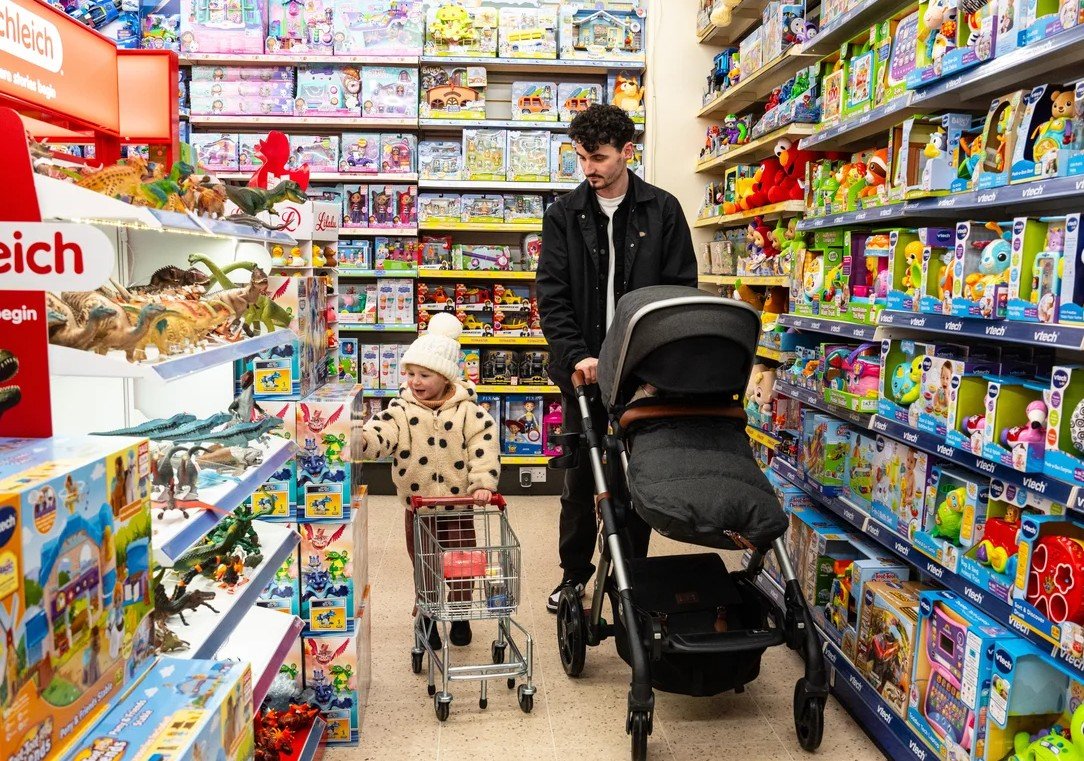
Walking into a toy store can feel exciting for both children and adults. Shelves filled with colorful games, action figures, dolls, puzzles, and educational toys create an experience that online shopping often cannot match. However, choosing the right toy is not always simple. Parents and gift buyers want products that are fun, safe, educational, and worth the money. Understanding how to shop smartly at a toy store can help you find toys that children truly enjoy while supporting their creativity and development.
Modern toy stores offer much more than entertainment. Many now focus on learning, imagination, problem-solving, and skill-building. Whether shopping for birthdays, holidays, or special rewards, choosing the right toy can make a lasting impact on a child’s growth and happiness.
If you are looking for lego store Pittsburg visit The Brick Pitt.
Table of Contents
ToggleWhy Toy Stores Are Still Popular
Even with the rise of online shopping, physical toy stores remain popular because they provide a hands-on experience. Children can see toy sizes, colors, and features directly before making a choice. Parents also have the opportunity to compare quality and safety more carefully.
Toy stores often organize products by age groups and interests, making it easier to find suitable items quickly. Staff members can also provide recommendations based on a child’s age and personality.
If you are looking for lego store Pittsburg visit The Brick Pitt.
Choosing Toys Based on Age
One of the most important factors when shopping at a toy store is selecting age-appropriate products. Toys designed for older children may contain small parts or complex features that are unsafe for younger kids.
Toys for Toddlers
Toddlers learn through touch, movement, and sound. Good toy choices include:
- Soft blocks
- Musical toys
- Shape sorters
- Push-and-pull toys
- Large puzzles
Safety is extremely important at this age, so avoid toys with small detachable pieces.
Toys for Preschoolers
Preschool children enjoy imaginative and creative play. Popular options include:
- Building sets
- Toy kitchens
- Art supplies
- Dolls and action figures
- Educational games
These toys help improve communication, creativity, and motor skills.
Toys for School-Age Children
Older children often prefer interactive and skill-based toys such as:
- STEM kits
- Board games
- Sports equipment
- Science experiments
- Remote-control vehicles
These products encourage problem-solving, teamwork, and independent thinking.
Educational Toys vs Entertainment Toys
Many modern toy stores focus heavily on educational toys, which combine fun with learning opportunities. These toys help children develop valuable skills while staying entertained.
Educational toys may improve:
- Reading and language skills
- Math and counting abilities
- Creativity and imagination
- Hand-eye coordination
- Logical thinking
Examples include puzzles, coding kits, science sets, and construction toys.
Entertainment toys, on the other hand, focus mainly on enjoyment and relaxation. Action figures, plush toys, and video game accessories often fall into this category. A healthy balance between educational and entertainment toys is usually the best approach.
Popular Toy Categories in Modern Toy Stores
Toy stores today offer a huge variety of products for different interests and personalities.
Creative Toys
Creative toys encourage self-expression and imagination. These include:
- Drawing kits
- Clay and craft sets
- DIY building projects
- Painting supplies
Creative play helps children develop confidence and artistic skills.
Outdoor Toys
Outdoor toys promote physical activity and healthier lifestyles. Popular options include:
- Scooters
- Basketball hoops
- Water toys
- Kites
- Ride-on vehicles
These toys reduce screen time and encourage active play.
Technology-Based Toys
Modern toy stores also feature technology-focused products such as:
- Coding robots
- Interactive learning tablets
- Smart educational games
- VR toy systems
These toys combine learning with modern digital experiences.
Safety Tips When Buying Toys
Safety should always be the top priority when shopping at a toy store. Before purchasing, parents should carefully check labels, recommended age ranges, and product quality.
Important safety tips include:
- Avoid toys with sharp edges
- Check for choking hazards
- Choose non-toxic materials
- Ensure battery compartments are secure
- Buy from trusted brands and stores
High-quality toys may cost slightly more, but they often last longer and provide better safety standards.
How Toy Stores Help Child Development
Toys are more than simple entertainment tools. The right toys help children learn social, emotional, and cognitive skills naturally through play.
Board games teach patience and teamwork. Construction toys improve problem-solving. Pretend-play toys help children understand emotions and communication.
Many toy stores now organize products specifically around developmental goals, helping parents choose toys with long-term benefits.
Shopping Smart at a Toy Store
Toy stores can sometimes feel overwhelming because of the huge number of choices available. Smart shopping strategies can help parents stay focused and avoid unnecessary spending.
Set a Budget
Children are naturally attracted to many toys, so setting a clear budget beforehand helps control spending while still allowing enjoyable purchases.
Focus on Interests
Choose toys based on the child’s personality and hobbies. A child interested in art may benefit more from craft kits than sports toys.
Prioritize Quality Over Quantity
A few durable, engaging toys are often better than many low-quality products that break quickly or lose appeal fast.
Read Reviews
Before buying expensive toys, checking customer reviews can help identify quality, durability, and educational value.
The Growing Trend of Educational Toy Stores
Many modern toy stores now specialize in educational and eco-friendly products. Parents increasingly prefer toys that support learning while reducing environmental impact.
Wooden toys, recycled materials, and STEM-focused products are becoming more popular as families seek healthier and more meaningful play experiences.
These specialty toy stores often provide unique products not commonly found in large retail chains.
Conclusion
Toy stores continue to play an important role in childhood experiences by offering fun, learning, and creativity in one place. From educational puzzles to outdoor games and imaginative playsets, the right toys can support a child’s emotional, physical, and intellectual growth.
Shopping wisely at a toy store means focusing on safety, quality, age-appropriateness, and the child’s personal interests. Whether buying for birthdays, holidays, or everyday fun, thoughtful toy choices create lasting memories and valuable learning experiences that children carry with them for years.